

The primary downside of using a diesel generator is the high upfront purchase cost and the requirement for frequent, expensive maintenance. Additionally, diesel generators pose safety risks like heavy emissions and can suffer severe engine damage, known as wet stacking, if operated below their optimal load capacity.
Diesel generators are a popular choice for backup or primary power, especially in off-grid areas or regions with unstable grids. Whether you are looking for a whole-house standby system, reliable power for an RV, or heavy-duty industrial use, they offer undeniable durability. However, understanding the pros and cons of diesel generators is essential. If you’re considering a diesel generator, it’s important to weigh these factors—and compare them with alternatives like gas or propane—carefully before making a decision.
Are diesel generators worth it?
While diesel generators provide excellent long-term reliability and heavy-load performance, they require a significantly higher upfront investment compared to alternatives. Additionally, they demand frequent, costly maintenance and can suffer from severe engine damage if run at low capacities. However, for critical applications, their durability often justifies the cost.

Cost vs. Long-term Value Across Different Applications
For critical applications—whether it’s a 15 kW to 30 kW whole-house diesel generator for home backup, a compact unit for an RV or boat, or a heavy-duty 50 kW to 1000 kW system for hospitals and industrial use—diesel generators can be a lifesaver. However, the initial purchase price and installation costs may deter some buyers. Many users even consider searching for used diesel generators for sale to mitigate these high upfront expenses.
Key Factors to Consider (Diesel vs. Alternatives)
Here is a complete comparison table highlighting the key differences between diesel generators and gas, propane, or solar alternatives:
| Factor | Diesel Generators | Alternatives (Gas, Propane, Solar) |
|---|---|---|
| Initial Cost | High (Can be lowered by buying used) | Medium |
| Maintenance | Frequent & Expensive | Low to Medium |
| Lifespan & Reliability | Excellent (Ideal for heavy loads) | Variable (Gas engines wear faster) |
| Fuel Consumption | High but more energy-dense | Lower energy density per gallon |
Despite their high cost, the sheer durability and performance under heavy loads often make them the top choice for critical systems. While home and RV owners might weigh the initial cost heavily, industrial sectors rely on them for telecom stations1, data centers2, or power plants3. However, their environmental impact and operational costs can add up over time.
Are diesel generators high maintenance?
Yes, diesel generators are high maintenance compared to gas or solar alternatives. They require frequent oil changes, air filter replacements, and cooling system checks. It is a proven fact that poor maintenance drastically increases diesel generator fuel consumption, leads to carbon buildup, and ultimately adds to the overall cost of ownership.
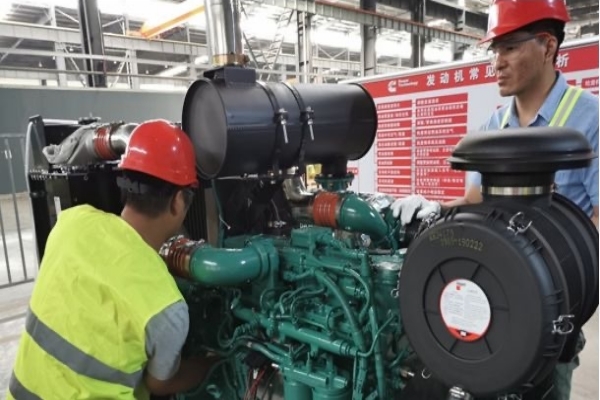
Maintenance Demands and the Impact on Fuel
Diesel engines need frequent oil changes, air filter replacements, and fuel system checks. They also need cooling system maintenance to prevent overheating. A common question among users is: what is the effect of poor maintenance on diesel generator fuel consumption? If these maintenance tasks are neglected, the engine suffers from carbon buildup and restricted airflow, which directly leads to wasted fuel and a drop in overall efficiency. Neglecting these tasks also leads to costly repairs and unexpected downtime.
Maintenance Checklist & Potential Costs
Below is a complete diesel generator maintenance checklist and estimated costs to help you understand the long-term financial commitment:
| Maintenance Task | Frequency | Potential Costs |
|---|---|---|
| Oil Change | Every 250 hours | $100 – $300 per service |
| Air Filter Replacement | Every 500 hours | $50 – $150 |
| Fuel Filter Replacement | Every 500 hours | $30 – $80 |
| Cooling System Check | Every 500 hours | $100 – $200 per check |
Over time, maintenance can become a burden, especially for heavy usage. However, regular upkeep is essential to ensure your generator runs smoothly and efficiently, helping you avoid unexpected breakdowns and inflated fuel bills.
How long will a generator run on 5 gallons of diesel?
A typical 10 kW diesel generator will run for approximately 8 to 12 hours on 5 gallons of diesel when operating at a 50% load. However, the exact runtime depends heavily on your generator’s specific kW rating, fuel efficiency, and the electrical load you are actively drawing.
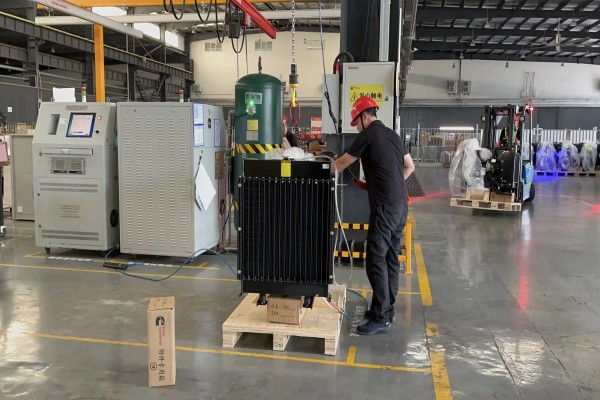
Runtime Estimates by kW Rating
As a general guideline, understanding diesel generator fuel consumption is crucial for planning generator usage. Runtime can vary significantly depending on whether you are using a compact 15 kW generator diesel for an RV or a robust 30 kW whole house generator.
Example of Fuel Efficiency (at 50% Load)
To help you estimate running costs, here is a detailed diesel generator fuel consumption chart based on different kW ratings:
| Generator Power Output | Fuel Consumption Rate (gallons per hour) | Estimated Runtime (on 5 gallons) |
|---|---|---|
| 10 kW | 0.5 gallons per hour | ~10 hours |
| 15 kW | 0.75 gallons per hour | ~6.6 hours |
| 20 kW | 1.0 gallons per hour | ~5 hours |
| 30 kW | 1.5 gallons per hour | ~3.3 hours |
| 40 kW | 1.8 gallons per hour | ~2.7 hours |
| 50 kW | 2.0 gallons per hour | ~2.5 hours |
If the load is lower, you can expect longer runtimes. However, high loads will cause the generator to consume more fuel, shortening its runtime. For massive industrial units like a 1000kW diesel generator, fuel consumption is measured in tens of gallons per hour, highlighting why calculating long-term fuel costs is just as important as the initial purchase price.
At what load is a diesel generator most efficient?
A diesel generator operates most efficiently at 70% to 80% of its maximum rated capacity. Operating within this optimal load range ensures complete fuel combustion, maximizes fuel economy, and prevents severe engine damage such as wet stacking and carbon buildup caused by running at low temperatures.

Efficiency, Load, and the "Wet Stacking" Problem
When running below this optimal range (especially under 50% load), the engine fails to reach its ideal operating temperature. This prevents fuel from burning completely, leading to a common and costly downside known as "wet stacking." Wet stacking results in unburned fuel and severe carbon buildup in the exhaust system, which drastically decreases fuel efficiency, increases emissions, and can lead to permanent engine damage if neglected. Conversely, running at a load higher than the optimal range can strain the engine, leading to faster wear and tear.
💡 Author’s Insight:
Most customers misunderstand the concept of optimal load, mistakenly equating full power with optimal load. Correct usage is the only way to ensure your generator set remains in good condition and achieves a long lifespan.
Load Efficiency Table
Here is a comprehensive load efficiency table demonstrating the severe wear and tear risks of running a diesel generator below its optimal capacity:
| Load % of Rated Power | Fuel Efficiency | Wear & Tear Risk / Potential Issues |
|---|---|---|
| < 50% | Very Low | High (Risk of Wet Stacking & Carbon Buildup) |
| 50 – 70% | Moderate | Low |
| 70 – 80% | Optimal | Moderate |
| 100% | High fuel use | High wear & tear risk |
To maintain efficiency, prevent carbon buildup, and extend the lifespan of your generator, it’s highly recommended to keep it within the 70-80% load range whenever possible.
What are the dangers of diesel generators?
The primary dangers of using diesel generators include the high risk of carbon monoxide4 poisoning in poorly ventilated spaces, potential fuel leaks, and severe fire hazards. Additionally, improper operation can cause wet stacking, while heavy emissions pose environmental and respiratory health risks to those nearby.
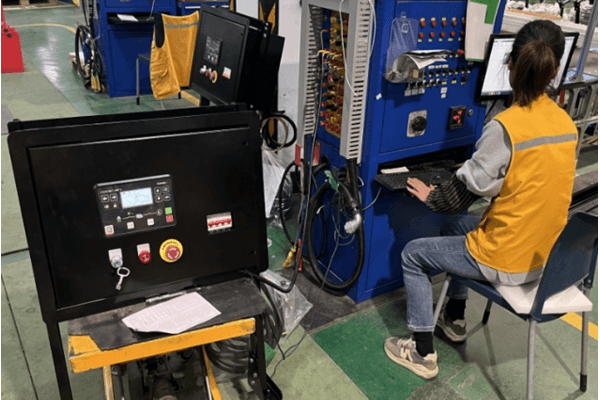
Running a diesel generator in an enclosed or poorly ventilated area can lead to the accumulation of carbon monoxide (CO), which is a dangerous, odorless gas. Additionally, fuel leaks or overheating can lead to fires, especially if the generator is not properly maintained. Understanding the common issues with diesel generators and how to avoid them is critical for safe operation.
Common Hazards
Here is a quick reference guide to common issues with diesel generators and how to avoid them through proper safety measures:
| Hazard | Potential Consequences | Prevention Measures |
|---|---|---|
| Carbon Monoxide | Poisoning, asphyxiation | Install CO detectors |
| Fuel Leaks | Fires, explosions | Regular inspections |
| Overheating | Engine failure, fires | Ensure proper ventilation |
Proper installation, regular maintenance, and using the generator in well-ventilated areas can help mitigate these risks.
Frequently Asked Questions (FAQs)
1. Is a diesel generator better than a gas or propane generator?
It depends on your application. Diesel generators are more durable and fuel-efficient under heavy loads and continuous operation, but they have higher initial purchase and maintenance costs compared to gas or propane alternatives.
2. Why are diesel generators so expensive?
Diesel engines are built to withstand high pressure, heavy wear, and long-term continuous use, making their heavy-duty components more costly to manufacture. However, buying a used diesel generator is a great way to mitigate these high upfront costs.
3. Does poor maintenance increase diesel generator fuel consumption?
Yes, absolutely. Neglecting regular oil and air filter changes leads to carbon buildup and restricted airflow, which wastes fuel, drops efficiency, and can lead to costly repairs.
4. Can a diesel generator power a whole house?
Yes. For most homes, a 15 kW to 30 kW whole-house diesel generator is sufficient to run all essential appliances. It is highly recommended to have a professional assess your exact power needs.
5. What are the common issues with diesel generators and how to avoid them?
Common issues include carbon buildup from running at low loads (wet stacking) and safety risks like carbon monoxide or fuel leaks. To avoid these, keep your generator running between 70-80% of its rated capacity, ensure strict regular maintenance, and provide proper ventilation.
Conclusion
While diesel generators offer incredibly reliable power for everything from RVs and whole-house systems to industrial sites, their downsides cannot be ignored. High maintenance costs, the risk of engine damage under low loads (wet stacking), environmental impact, and safety hazards mean they require careful management. It is important to balance these factors—and compare them against alternatives like gas or propane—when deciding if a diesel generator is the right choice for your needs.
-
This query will help readers understand the role of telecom stations in communication infrastructure. Clicking the link leads to more information on how these stations provide essential services like mobile and internet connectivity. ↩
-
This query helps readers learn about the critical function of data centers in hosting and managing large amounts of data. The link will provide an in-depth view of how they support business and technology systems. ↩
-
This query is designed to explain the basic operation of power plants and their role in producing energy. Clicking the link allows readers to explore the types of power plants and the energy generation process. ↩
-
This query informs readers about the risk of carbon monoxide poisoning when using diesel generators in enclosed spaces. Clicking the link will help them understand the safety measures needed to avoid these dangers. ↩