
Category
Blog
Your blog category
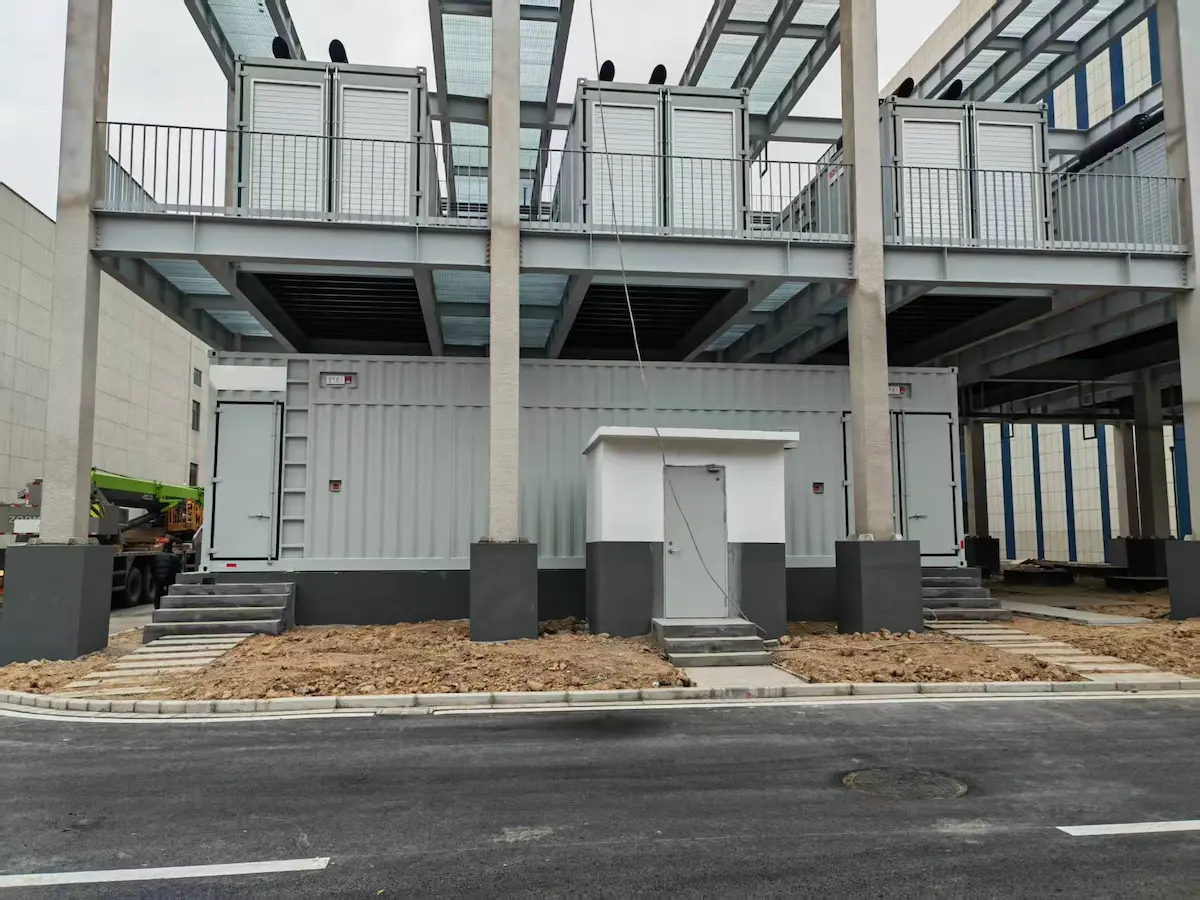
Data Center Generator Selection Guide: An EPC & ME Contractor’s Handbook
[NOTE] Editorial Disclaimer The technical insights, analogies, and industry critiques presented in this comprehensive guide are based on my personal observations and over 20 years of hands-on engineering experience deploying mission-critical power systems across
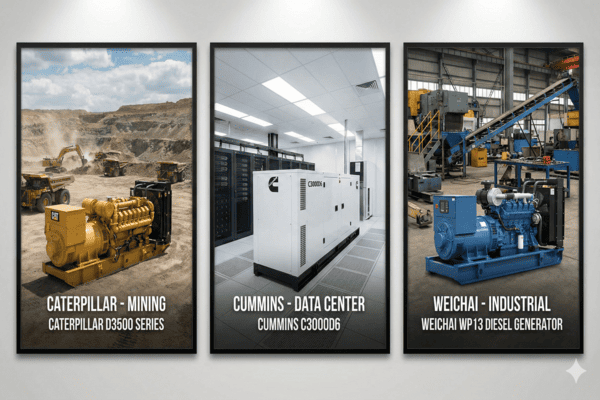
Top 10 Diesel Generator Manufacturers in 2026: The Ultimate Buying Guide
> [!NOTE] Editorial Disclaimer The technical views and verdicts expressed in this guide are those of Anders.Chen, based on 20+ years of field engineering experience. They represent personal technical insights and do not necessarily
Why are generators important for commercial buildings?
Power outages can disrupt business operations and lead to significant financial losses. For commercial buildings, having a reliable backup power source is essential to avoid downtime and ensure safety.

Can a diesel generator be run on gas?
Diesel generators are designed to run on diesel fuel, but some businesses are exploring alternative fuels like natural gas or propane to reduce costs and emissions.

Why can’t electric generators be as silent as a car engine?
Electric generators are essential for backup and off-grid power, but their noise levels can be disruptive. While car engines have become quieter over time, most generators still produce significant noise during operation.

How many generators are found in an engine room?
Engine rooms are designed to house backup and primary power sources for critical facilities. The number of generators required depends on the facility's size, power demand1, and redundancy needs.
What can I use a 50 kVA generator for?
A 50 kVA generator1 provides a reliable source of backup or primary power for small to medium-sized businesses and facilities. It offers enough capacity to handle essential equipment and machinery without overloading.

How can I calculate how many KVA generators I need?
Calculating the number of KVA generators required for your facility involves understanding your total power needs, including both running and surge power1. Getting the size right ensures efficiency, reduces operational costs, and prevents overloading.

How to determine what size generator I need for my office?
Choosing the right generator size for your office ensures uninterrupted power during outages and prevents equipment damage. An undersized generator can fail under heavy load, while an oversized one wastes fuel and increases costs.

What capacity of generator can power a hotel of 72 rooms?
Choosing the right generator size for a hotel1 ensures uninterrupted power for guests, employees, and essential services. For a 72-room hotel, the generator needs to cover both the guest rooms and the supporting systems

What size generator do I need to get 32 amps?
To determine the right generator size for a 32-amp load1, you need to calculate the power in kilowatts (kW) or kilovolt-amperes (KVA), considering the type of load and the electrical configuration (single-phase or three-phase).
What size generator would it take to run a 200 amp service?
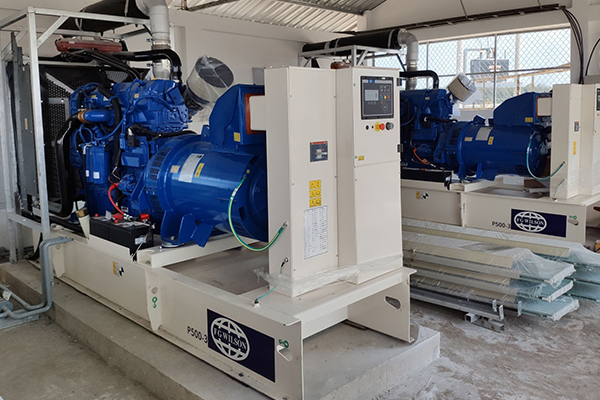
When selecting a generator to run a 200-amp electrical service1, it’s essential to understand how to calculate the required generator size, as well as the impact of voltage, power factor2, and other key factors.
Looking for More Technical Content?
Browse our complete library of diesel generator guides, how-to articles, and industry reports — or contact us with a specific question.