
Diesel Generator Buying Guide
What to consider before you buy — so the generator fits your load, site, and application
A practical, brand-independent guide to choosing a diesel generator set: standby vs prime, sizing, frequency, ATS, and the conditions that affect output.
Start With the Application
Standby / Backup
Runs only during outages. Needs an automatic transfer switch (ATS) to start and transfer the load automatically. Lower purchase cost, limited annual running hours.
Prime / Continuous
The main power source for off-grid sites. Built for continuous duty with unlimited running hours, at a higher cost than a standby-rated unit.
Sizing
Add the running load plus the starting surge of motors (about 3× running current), then leave a margin for future growth. Never under-size a standby set.
Pre-Order Configuration Checklist
Work through these nine points before you order. Each one changes the engine, enclosure, or controls you need.
Installation Type
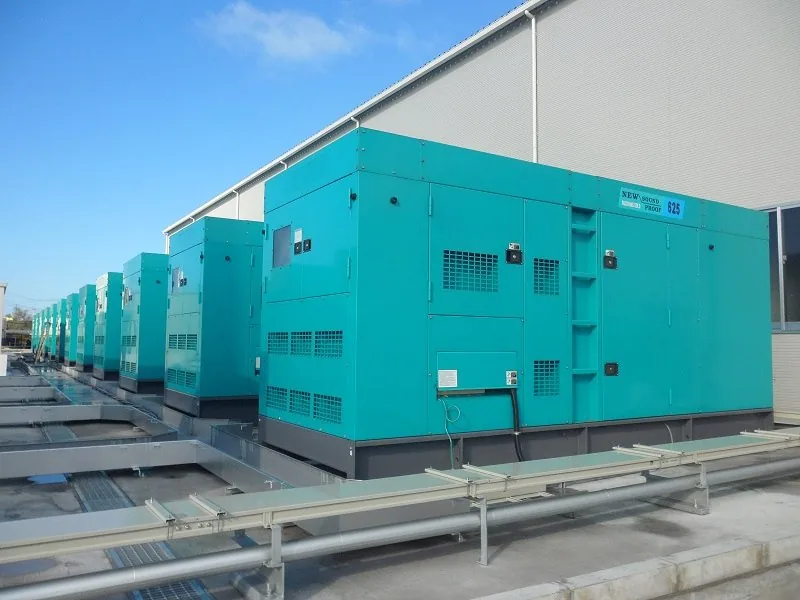
Outdoor silent (canopy) for low noise and weatherproofing, or open frame installed in a dedicated, ventilated machine room.
Frequency
Confirm your grid frequency: 50 Hz or 60 Hz. Engine speed and alternator wiring differ, so specify this up front.
Standby Needs an ATS
Standby and backup applications require an automatic transfer switch (ATS) to start the generator and transfer the load without manual intervention.
Prime Duty Limit
For prime (main power) applications, confirm the duty rating — continuous prime vs limited-time running (e.g., 12-hour) ratings.
Cold Climate
Cold regions need an engine pre-heater (block or coolant heater) to ensure reliable cold starting.
Altitude & Temperature
Above 1,000 m altitude or 40 °C ambient, the engine de-rates. Specify your site conditions so the set is sized and derated correctly.
Coastal Corrosion
Coastal or marine sites need C4/C5 anti-corrosion treatment on the enclosure and fittings to resist salt-laden air.
Motor Loads
If the load includes large motors or pumps, they need a soft start or the generator must be oversized to absorb the starting surge.
Paralleling
Running multiple sets together for redundancy or capacity requires a paralleling cabinet to synchronize and share load safely.
Frequently Asked Questions — Buying a Diesel Generator
What should I consider before buying a diesel generator?
Do I need an automatic transfer switch (ATS)?
What is the difference between an open and a silent generator?
How do altitude and temperature affect generator output?
Tell us your application, load, and site conditions — we'll recommend the right generator and configuration.
GET A GENERATOR QUOTE →Related: Generator Maintenance Schedule · Generator Guides & Insights